In It for the Long Haul: How Foot Dom Creators Keep the Passion Alive Without Running Themselves Into the Ground
Photo: Tommie Hansen, CC BY 3.0, via Wikimedia Commons
There's a version of this industry that looks effortless from the outside. Scroll through any successful foot dom creator's feed and you'll see polished content, engaged fans, and what appears to be a pretty sweet work-from-home situation. What you won't see is the 11 PM editing sessions, the pressure to post through a migraine, or the quiet dread that creeps in when you realize you've stopped enjoying the thing that used to excite you.
Burnout in content creation is real, and it hits niche creators especially hard. When your audience is deeply loyal — as foot dom audiences tend to be — the expectation of consistent, high-quality output can become its own kind of pressure cooker. The good news? The creators who build lasting careers in this space aren't superhuman. They just figured out how to work smarter, protect themselves, and treat this like the actual business it is.
Why Foot Dom Creators Are Particularly Vulnerable to Burnout
Niche content creation comes with a specific psychological weight that broader creators don't always deal with. You're not just making videos — you're performing, managing a community, handling your own marketing, processing payments, and often doing all of this while maintaining some level of privacy in your personal life. That's a lot of hats.
Add to that the physical demands of foot-focused content. Maintaining foot care routines, shooting in positions that are comfortable for camera angles but not always for your body, and keeping up with the aesthetic standards your audience expects — it all adds up. A lot of creators don't talk about the physical side of this work because it feels unglamorous, but ignoring it is how you end up with real health issues down the line.
And then there's the mental load. Engaging with fan messages, managing boundaries with subscribers who sometimes push them, and staying creative within a niche that can start to feel repetitive — these things quietly drain you in ways that don't show up until you're already running on empty.
Building a Content Schedule That Doesn't Eat You Alive
The most sustainable creators in this space share one thing in common: they stopped letting demand dictate their schedule and started building a schedule that works for their actual lives.
Batch shooting is one of the most effective tools available. Instead of filming something every day, carve out two or three dedicated shoot days per week — or even per month — and create enough content to cover your posting calendar well in advance. This approach gives you buffer room for sick days, bad lighting days, and just plain don't-feel-like-it days without your audience ever noticing a gap.
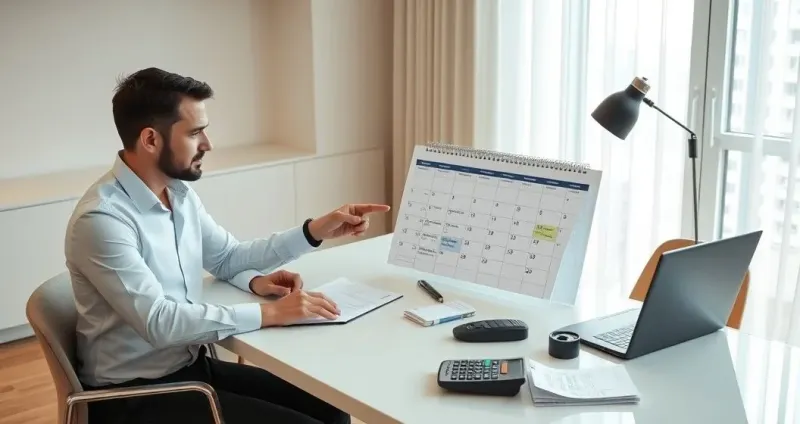
Content calendars aren't just for corporate marketers. Mapping out your themes, formats, and release timing a month ahead means you're making decisions from a place of clarity rather than scrambling under pressure. It also helps you spot variety — if you've scheduled twelve similar videos in a row, you'll catch it before your subscribers do.
And please, build in rest days that are actually rest days. Not "rest days where I still answer DMs and edit two clips." Real rest. Your creativity is a renewable resource, but only if you give it time to replenish.
Protecting Your Physical Health Is Part of the Job
This doesn't get said enough: foot dom content creation has physical demands, and treating your body like it doesn't matter is a business mistake as much as a personal one.
Foot care is obvious — your audience is literally there for your feet, so maintenance isn't vanity, it's professional upkeep. But beyond aesthetics, think about posture during shoots, the strain of holding certain positions for extended takes, and eye fatigue from editing. Investing in a decent ergonomic setup, taking breaks during long shoot sessions, and actually stretching aren't soft suggestions. They're how you stay in this game for years instead of months.
Some creators have started treating their physical wellness routine as part of their brand story — sharing foot care rituals, relaxation routines, and self-care content that their audience genuinely loves while also giving the creator a built-in reason to prioritize that care. It's a win in both directions.
Keeping the Creative Spark From Going Flat
One of the quieter dangers of niche content is creative stagnation. When you're producing within a specific category, it's easy to fall into patterns that feel safe but slowly drain the joy out of the work. You start producing content on autopilot, and your audience can usually feel that shift even before you fully acknowledge it yourself.
The antidote isn't forcing yourself to come up with wild new ideas every week. It's giving yourself structured permission to explore. Set aside one shoot per month specifically for something you've never tried before — a new setting, a different editing style, a collaboration with another creator, a concept you've been curious about but haven't had the "right" time to test. Some of it won't land. That's fine. The point is keeping your own curiosity alive.
Talking to other creators also helps more than most people expect. The foot dom and broader fetish content community has some genuinely generous people in it, and connecting with peers — whether through private groups, creator forums, or just direct outreach — can break the isolation that makes burnout so much worse.
The Business Case for Slowing Down
Here's the counterintuitive truth that takes most creators a while to accept: posting less, but better, almost always outperforms grinding out volume at the cost of quality and your own wellbeing.
Your most loyal subscribers aren't just buying content — they're buying into you. Your personality, your energy, your creative point of view. When you're burned out, that shows. The videos feel flat, the interactions feel transactional, and the thing that made your corner of this industry special starts to fade. Protecting your passion isn't a luxury; it's the actual product.
Long-term creators in this space often talk about a turning point where they stopped chasing the algorithm and started building for sustainability. Fewer posts, more intentional community engagement, smarter pricing, and a real commitment to not destroying themselves for subscriber counts. Almost universally, their income stabilized or grew — because their audience could feel the difference.
Knowing When to Take a Real Break
Finally, the hardest thing for driven creators to do: recognizing when you need actual time off and taking it without guilt-spiraling.
A planned hiatus — communicated clearly to your audience ahead of time — is not a career ender. In fact, most creators report coming back from a real break with more engagement than they left with, because anticipation is a powerful thing and your audience respects honesty. A quick "taking two weeks to recharge" post lands very differently than just going quiet and leaving people wondering.
You built this. You're allowed to take care of the person running it.