Sole Searching: How the Wellness Boom Accidentally Made Foot Appreciation Go Mainstream
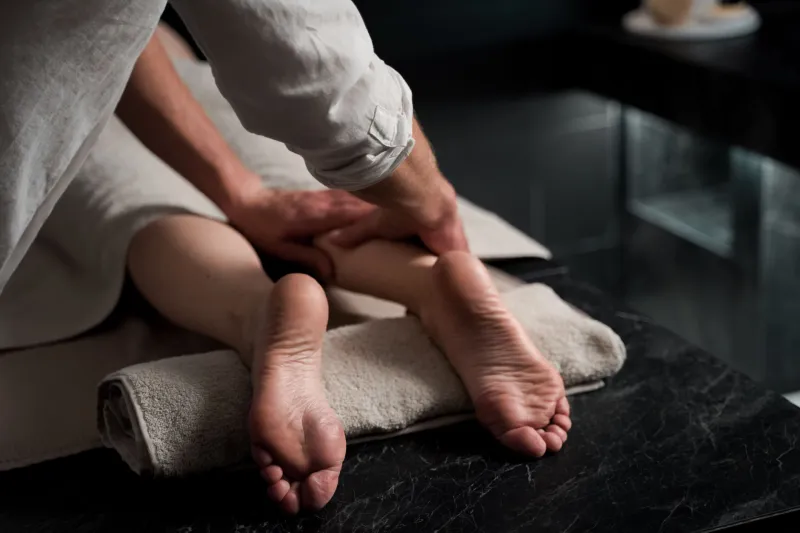
Something funny happened on the way to the spa. Americans — the same ones who spent decades treating foot care as an afterthought, something you dealt with before sandal season or after a brutal week on your feet — started genuinely caring about their soles. Like, really caring. Foot masks flew off drugstore shelves. Reflexology studios opened in strip malls next to smoothie bars. TikTok turned elaborate foot care routines into viral content. And somewhere in the middle of all that, the line between "wellness" and "foot appreciation" got a whole lot blurrier.
For anyone who's been part of the foot fetish community — whether as a creator, a viewer, or just someone who's always understood the appeal — this cultural shift carries a certain satisfying irony. The mainstream finally caught up.
From Afterthought to Ritual
Let's be honest: American culture has historically been pretty weird about feet. We stuff them into uncomfortable shoes, ignore them until something hurts, and treat a basic pedicure like an occasional indulgence rather than a legitimate part of a health routine. But the post-pandemic wellness explosion changed the equation dramatically.
When people were forced to slow down and pay attention to their bodies, feet became a focal point. Reflexology — the practice of applying pressure to specific points on the foot to promote healing and relaxation throughout the body — saw a serious surge in interest. According to wellness industry reports, foot-focused services became among the fastest-growing categories at US spas between 2021 and 2024. Luxury foot soaks, exfoliating treatments, and therapeutic massage packages stopped being the quiet offering on the back of the menu and started headlining the experience.
Meanwhile, social media did what social media does: it amplified everything. Influencers began posting multi-step foot care routines with the same reverence previously reserved for skincare. Foot masks became a whole aesthetic. The language shifted too — people started talking about "honoring" their feet, about grounding and sensory attention. None of that is new language in fetish spaces, but hearing it in a mainstream wellness context? That's a genuine cultural evolution.
The Reflexology Connection
Reflexology deserves its own moment here because it's arguably the most interesting bridge between clinical wellness and sensory appreciation. The practice has ancient roots across multiple cultures — Chinese, Egyptian, Native American traditions all include some form of foot-based healing work — but it's been steadily gaining credibility in American integrative health circles.
What makes reflexology particularly relevant to this conversation is that it centers the foot as a map of the entire body. Practitioners believe that different zones on the foot correspond to organs, systems, and emotional states. The foot, in this framework, isn't just a utilitarian body part — it's a portal. It carries meaning. It deserves focused, intentional attention.
For anyone who's spent time in foot dom communities, that framing isn't foreign at all. The idea that feet carry a certain power, that they're worthy of extended focus and care, has always been central to the appeal. Reflexology just packages it in clinical language and sells it at a $90-per-session rate.
What This Means for Creators and Viewers
The normalization of foot care culture creates some genuinely interesting opportunities for content creators in this space. The wellness angle provides a legitimate, accessible entry point for people who might be curious about foot-focused content but haven't fully articulated why they're drawn to it. Someone who books a reflexology session, buys a foot mask set, or spends twenty minutes watching a foot care routine on YouTube is already engaging with foot appreciation — they just might not have the language for it yet.
For creators, leaning into this overlap is smart strategy. Content that explores the sensory, meditative, or even intimate dimensions of foot care reaches a broader audience than content that leads exclusively with explicit framing. Educational content about foot massage techniques, tutorials on pedicure aesthetics, discussions of what makes different foot textures and presentations appealing — all of that lives comfortably in the space where wellness culture and fetish appreciation intersect.
Viewers, meanwhile, are finding that the wellness boom gives them more vocabulary and more cultural permission to explore what they're drawn to. When foot care is framed as self-love and body positivity, it becomes easier to acknowledge that you find feet genuinely compelling — aesthetically, sensually, or otherwise.
The Spa Industry's Quiet Revolution
Here's a detail that doesn't get discussed enough: high-end spas in major US markets have quietly upgraded their foot services into full-blown experiences. In cities like New York, LA, and Chicago, you can now book foot-focused spa sessions that last ninety minutes or more, incorporating aromatherapy, heated stone work, detailed massage, and aesthetic finishing that rivals anything a nail salon offers.
These aren't just pampering add-ons. They're marketed as transformative wellness experiences. The language used — surrender, release, presence, attention — maps surprisingly closely to the kind of intentional dynamic that makes foot dom content compelling. There's a reason the most dedicated foot care enthusiasts, whether they identify with fetish culture or not, describe the experience in almost spiritual terms.
The spa industry figured out that feet are intimate territory. That giving someone dedicated, skilled attention in that space creates a particular kind of trust and release. That's not an accident, and it's not entirely separate from what the foot dom community has understood for a long time.
Normalizing the Conversation
Perhaps the most significant outcome of all this is simply conversational. Foot care is now a legitimate topic at the dinner table, on morning talk shows, in wellness podcasts, and across social platforms. That normalization has a ripple effect.
When someone feels comfortable saying "I love a good foot massage" or "I've been really getting into foot care lately," it opens a door. It creates space for the broader spectrum of foot appreciation to exist without shame or defensiveness. The foot fetish community has long operated in spaces where that comfort wasn't always available. The wellness boom, whatever its commercial motivations, is helping to change that.
For platforms like FootDom Videos, this cultural moment is worth paying attention to — not because the content needs to change, but because the audience is growing. People who are newly curious about foot-focused experiences, who've been gently introduced to the idea through a spa visit or a viral skincare video, are finding their way to more intentional, more explicitly appreciative spaces. And that's a conversation worth welcoming.
The soles have always deserved this kind of attention. It just took the rest of the culture a while to figure that out.


