The Visibility Dial: How Foot Dom Creators Choose Their Anonymity Level and Live With It
There is a quiet assumption in a lot of creator advice that the goal is always more visibility. Show your face, build a personal brand, let fans feel like they know you. For foot dom creators, that advice is incomplete. Some performers build massive audiences without ever showing their eyes. Others show everything and treat the camera like a welcome mat. Neither approach is automatically smarter. They are different business models with different risks.
The useful question is not whether to be anonymous. It is how much visibility you want, where, and for how long. Think of it as a dial rather than a switch. You can turn it up for a launch, down for a season, or leave it at a setting that feels sustainable for years.
The Four Main Settings
Most foot dom creators land somewhere on a spectrum with four rough settings.
Full-face means your audience knows what you look like. You can market your expressions, your reactions, and your on-camera personality. It is easier to build parasocial trust because fans feel like they are watching a specific person, not a pair of legs with a camera attached. The trade-off is obvious. Your face is attached to your content forever, and screenshots travel faster than takedown requests.
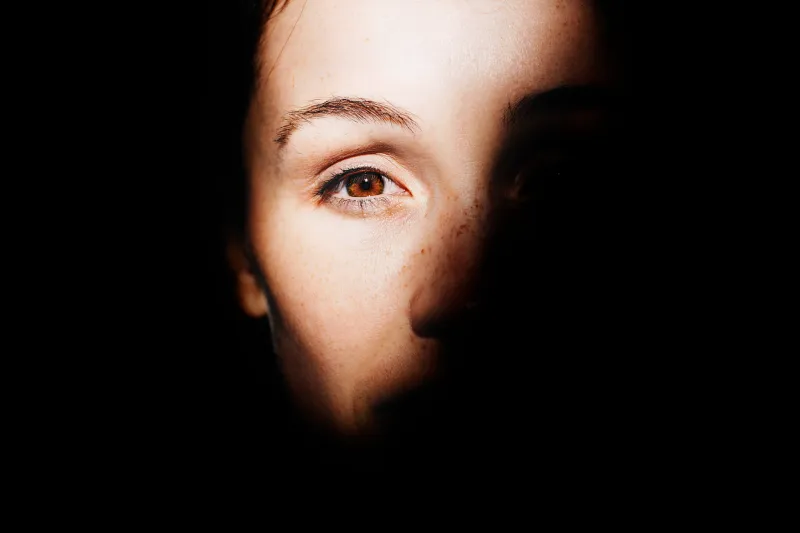
Masked or partial means you show some of your face but not all of it. A lace mask, a veil, a strategic crop, a shadow, or a camera angle that keeps your eyes out of frame. This can be a strong brand choice. Mystery is part of the appeal. It also gives you a little more room to move through the world without being recognized.
Cropped or body-only means the audience sees your feet, legs, hands, and maybe your torso, but not your face. This is common in foot-focused content because the feet are the product. It can still be highly personal. Your voice, your skin, your nail polish, your tattoos, and your room all become part of the brand.
Audio-only or text-first means the persona is carried by voice, writing, and imagination. This is the most private end of the dial, and it can work surprisingly well for domination content. A calm, controlled voice can do more than a close-up. The trade-off is that visual branding is harder, and some platforms make verification and payouts more complicated when there is no face to match.
What Each Choice Buys and Costs
Full-face content tends to build faster emotional attachment. Fans recognize you in a crowded feed. They feel like they are supporting a person. That can translate into stronger loyalty and higher tips. It also means your content is easier to link to your real name, your location, and your offline life. You need a serious privacy plan before you turn the dial all the way up.
Masked and cropped content can be just as memorable if you commit to a visual language. A specific mask, a signature lighting setup, a consistent color palette, a recurring pair of heels. Fans do not need your face to recognize your work. They need a pattern they can trust. The cost is that you have to work harder on branding because the shortcut of facial recognition is off the table.
Audio-only content is the most portable and the most private. It is also the most dependent on voice acting and sound quality. If you go this route, invest in a decent microphone and learn how to edit out background noise. The fan is buying your tone, your pacing, and your control. A muffled recording undercuts the whole fantasy.
Verification Is Not the Same as Visibility
Platforms need to verify that you are a real adult. That does not mean your audience gets to see your ID or your face. Keep those two ideas separate. You can verify with a platform, use a stage name, and still keep your public content cropped or masked.
Read the privacy policy before you upload anything sensitive. Ask where verification documents are stored and who can access them. Use a separate email address for your creator business. Use a stage name that is not connected to your legal name in public. If you use a payment processor, check what name appears on a buyer's statement. A surprising charge descriptor is a customer-service problem and a privacy leak at the same time.
Protecting the Personal Stuff
Anonymity is not just about your face. It is about metadata, backgrounds, voices, and habits. Strip location data from photos before you post them. Check your mirror selfies for mail, prescriptions, or a street sign in the reflection. Be careful with voice notes if your accent or speech pattern is recognizable. Do not show the same window view and the same local coffee shop in every clip if you are trying to stay unidentifiable.
If you show tattoos, scars, or distinctive jewelry, decide early whether those are part of your brand or part of your privacy risk. Some creators lean into a signature look. Others cover up. There is no universal answer, but there should be a decision.
Building a Memorable Presence Without a Face
Anonymity does not have to mean forgettable. Pick a strong persona name and use it everywhere. Write captions in a consistent voice. Develop a visual signature, such as a particular camera angle, a color grade, or a set of props. Let fans feel your control through pacing, sound, and language rather than through eye contact.
You can also build trust through consistency. Same schedule. Same boundaries. Same tone in messages. Fans who cannot see your face will pay close attention to how you treat them. That is its own kind of intimacy, and for plenty of foot dom audiences, it is the whole point.
The Right to Change Your Mind
The visibility dial is not a lifetime contract. You might start faceless and later decide to show more. You might show your face for a year and then pull back. You might move from full-face to masked because your offline life changed. Plan for that. Keep backups of your content. Know which platforms let you mass-delete or archive. Have a statement ready for fans if you need one.
The creators who handle anonymity well are not the ones who pick the most extreme setting. They are the ones who pick a setting they can live with, build a brand around it, and protect the personal information that keeps the rest of their life separate.