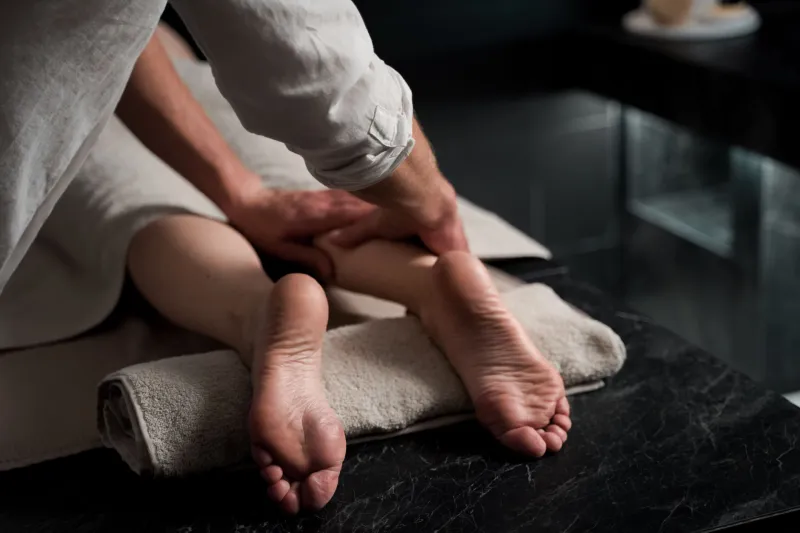
Hustle, Soles, and Subscription Fees: How Indie Foot Dom Creators Quietly Built Empires
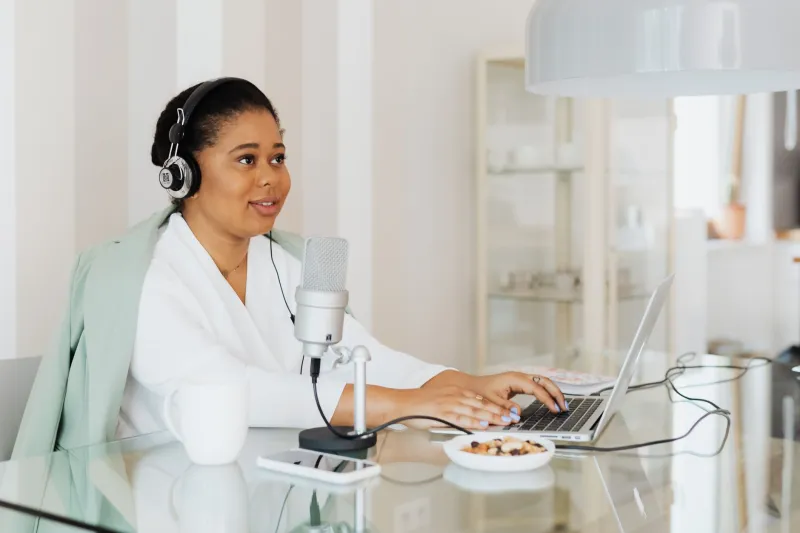
For most of the twentieth century, breaking into adult entertainment meant going through gatekeepers — studios, distributors, talent agencies. You either played by their rules or you didn't play at all. But somewhere between the rise of high-speed internet, the explosion of subscription platforms, and a cultural moment that made the creator economy feel like a legitimate career path, a specific group of performers found a way around every single one of those gates.
Foot dom creators — people who produce content centered on foot fetish, domination, and everything in between — have quietly become some of the savviest independent entrepreneurs in the adult content space. And if you're only paying attention to the big mainstream studios, you've been missing the real story.
The Platform Shift That Changed Everything
It's hard to overstate how much platforms like OnlyFans, FanCentro, and similar subscription services reshuffled the deck for niche content creators. Before these tools existed, foot dom performers had limited options: shoot for a studio (and hand over most of the revenue), sell clips through third-party sites with steep commission cuts, or try to build an audience from scratch with no infrastructure supporting them.
Subscription platforms flipped that dynamic. Suddenly, a creator who built a loyal following of a few thousand fans could generate more monthly income than a performer who'd spent years grinding through the traditional studio pipeline. The math wasn't complicated — a few thousand subscribers paying even a modest monthly fee adds up fast, especially when you own your content and keep the majority of what you earn.
For foot dom creators specifically, this was a game-changer. The niche nature of the content — which had sometimes made it harder to find placement in mainstream adult platforms — became an asset rather than a liability. Dedicated fans weren't just browsing; they were seeking out exactly this type of content and willing to pay a premium for it.
Treating It Like a Business (Because It Is)
The creators who've built what can genuinely be called empires in this space share one common trait: they stopped thinking of themselves as performers and started thinking of themselves as entrepreneurs.
That shift in mindset shows up in the details. Successful indie foot dom producers talk about content calendars the same way marketing managers do. They A/B test thumbnail images. They track which types of videos drive new subscriptions versus which ones reduce churn. They know their average revenue per subscriber and they're constantly working to improve it.
Revenue diversification is a big part of the strategy. Relying on a single platform is a risk that experienced creators learned to avoid early — platform policies change, accounts get flagged, payment processors get squeamish. The creators who've built durable businesses spread their income across multiple streams: subscription tiers, custom video requests, pay-per-view content, merchandise, and in some cases, coaching or consulting for newer creators trying to break into the niche.
Custom content, in particular, has become a significant revenue driver. A personalized video — tailored to a specific fan's preferences, featuring exactly the type of foot dom content they're most interested in — commands a price premium that standard catalog content simply can't match. And the production overhead is minimal. It's a high-margin offering that plays directly to the intimate, personalized nature of what foot dom audiences are looking for.
Building an Audience That Actually Sticks
Monetization strategy only works if you have an audience to monetize, and building that audience is its own discipline. The most successful indie creators in this space are remarkably intentional about community.
Social media presence — carefully managed to stay within the terms of service of mainstream platforms while still driving traffic toward subscription content — is part of the equation. But the creators who've really built lasting businesses talk about something deeper than follower counts. They talk about connection.
Foot dom content, maybe more than some other niches, tends to attract fans who feel genuinely underserved by mainstream adult entertainment. These are viewers who've spent years searching for content that speaks to their specific interests and not finding much of it. When a creator shows up consistently, engages authentically, and produces content that feels like it was made for them, the loyalty that results is unusually strong.
That loyalty translates into long subscriber retention, enthusiastic word-of-mouth promotion, and fans who are genuinely invested in a creator's success. It's the kind of audience relationship that traditional studios, with their transactional approach to content, rarely manage to cultivate.
The Entrepreneurial Mindset Nobody Talks About
Here's something that doesn't come up enough in conversations about the creator economy: running an independent content business is genuinely hard work, and the foot dom creators who've built real income from it are putting in real hours.
We're talking about people who are simultaneously the talent, the director, the editor, the social media manager, the customer service rep, and the accountant. They're managing production schedules, responding to fan messages, filing taxes on self-employment income, and staying current on platform policy changes — all while actually creating content.
The ones who've scaled successfully have usually gotten strategic about what they can handle themselves versus what they need to outsource or systematize. Some bring on editors to handle post-production. Others use scheduling tools to automate social posting. A few have quietly built small teams around themselves — essentially running micro production companies out of what started as a solo side hustle.
What makes this especially interesting from a cultural standpoint is that these are people who built businesses in a niche that mainstream entrepreneurship culture would never hold up as a case study — despite the fact that the business fundamentals they're applying are identical to what any successful small business owner would recognize.
What This Means for the Industry
The success of independent foot dom creators is already influencing how the broader adult content industry thinks about niche markets. Platforms are getting better at supporting specialized content categories. Mainstream conversations about the creator economy are (slowly) becoming more honest about the role adult content plays in making the whole ecosystem viable.
And for performers who are weighing their options, the indie path has never looked more credible. The infrastructure exists. The audience is there. The playbook — while not officially published anywhere — has been figured out by people who learned it the hard way and are increasingly willing to share what they know.
The gatekeepers didn't disappear. But for foot dom creators with the right combination of hustle, business sense, and authentic connection with their audience, the gate turned out to be optional.