Feet on the Ground: How the Foot Dom Community Is Turning Online Energy Into Real-World Gatherings
For most of its digital life, the foot dom community has existed in the spaces between — Discord servers at 2am, fan forums with elaborate posting rules, subscription platforms where creators and fans build surprisingly close relationships without ever being in the same room. It's been a remarkably vibrant scene for something that mostly lives on screens.
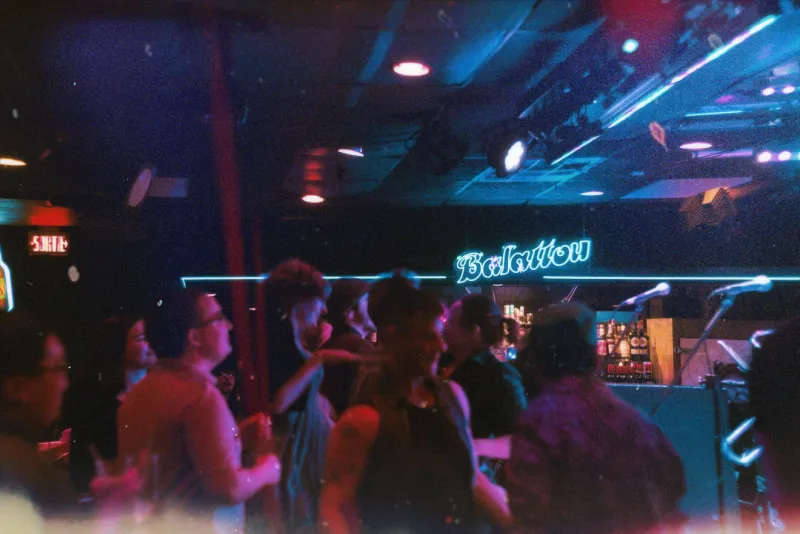
But something has been shifting. Slowly, then more noticeably, the community has started showing up in physical spaces. Meetups. Private events. Fetish-friendly conventions. Gatherings that exist somewhere between fan experience and community organizing. And the people putting these things together have learned a lot about how to do it right.
The Convention Circuit Gets a Niche Track
If you've spent any time around the broader adult content world, you already know that events like AVN in Las Vegas have long served as gathering points for industry professionals and fans alike. But dedicated foot fetish and foot dom programming within that world has historically been scattered at best.
That's starting to change. Several fetish-focused conventions — including events in Los Angeles, Miami, and New York — have added dedicated foot dom programming, creator appearances, and curated experiences in the last few years. These aren't massive mainstream affairs, but they don't need to be. The audience is specifically there for this, which creates a different kind of energy than a general adult entertainment expo.
Creators who've appeared at these events consistently describe the same thing: the fan connection is different in person. "Online, even when engagement is really high, there's still a screen between you and the person," says one creator who asked to be identified only by her platform handle, SoleSiren. "At an event, you can read the room. You can have an actual conversation. It changes how fans see you — and honestly, how you see them."
The Logistics of Doing It Safely
Organizing any kind of fetish-adjacent event in the US comes with real logistical considerations that go beyond booking a venue and selling tickets. Privacy is a genuine concern for attendees who may not be publicly out about their interests. Safety protocols matter enormously — both for creators who are meeting fans they've only known through a screen and for attendees navigating a space where consent culture needs to be explicitly established, not assumed.
The events doing this well have a few things in common. They use ticketed, verified registration rather than open-door access. They publish clear community guidelines before the event, not just at the door. They have designated staff or volunteers trained to handle situations where someone's behavior makes others uncomfortable. And they create opt-in structures for any interactive elements — nobody gets surprised by contact they didn't agree to.
"The consent framework has to be baked into the event design, not bolted on afterward," says one event organizer who runs a quarterly gathering in the Pacific Northwest. "We think about it the same way a professional dungeon would think about a play party — every interaction is negotiated, every boundary is respected, and we'd rather turn someone away at the door than have one bad incident define the whole community."
Private Gatherings and the Subscription-to-Salon Pipeline
Not every offline foot dom gathering looks like a convention. Some of the most interesting experiments happening right now are smaller and more intimate — essentially private salons or social events that grow organically out of existing creator-fan relationships.
A creator with a loyal subscriber base might host a small gathering for a dozen or so longtime fans in a rented private space. Entry is by invitation, often tied to subscription tier or verified fan status. These events tend to be low-key — more social mixer than performance — and they function almost like a VIP extension of the creator's existing community.
The business logic here is interesting. These events aren't necessarily huge revenue generators on their own, but they create the kind of fan loyalty that's almost impossible to replicate digitally. Attendees leave with a story, a memory, a tangible connection to someone they've been following online. That translates directly into retention, word-of-mouth, and the kind of deep audience investment that keeps subscription numbers stable even when algorithm winds shift.
Privacy, Discretion, and the Venue Problem
One of the less glamorous challenges facing foot dom event organizers is the venue question. Plenty of spaces that would otherwise be suitable get skittish when the nature of the event becomes clear. Hotel conference rooms, event spaces, and private clubs all have their own policies, and "adult fetish gathering" isn't language that opens many doors easily.
Creators and organizers have gotten creative. Some work through event planning companies that specialize in LGBTQ+ and kink-adjacent events, which tend to have existing relationships with more open-minded venues. Others rent through platforms that don't require detailed event descriptions. A few have started investing in dedicated private spaces — essentially studios or social clubs that serve the community on a recurring basis.
It's not frictionless, but the community is clearly motivated to figure it out. The offline dimension of foot dom culture is growing because the people in it want something that a stream or a subscription feed can't fully provide: the experience of being in a room full of people who completely get it.